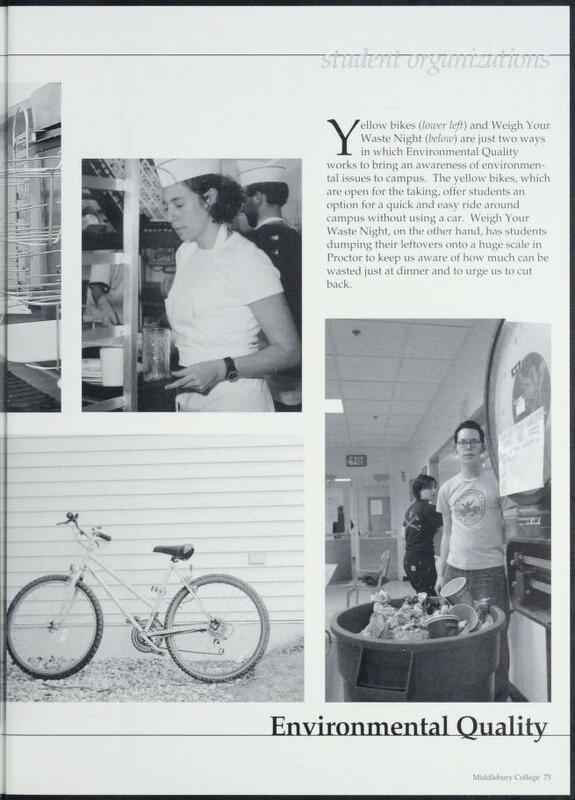
EQ remained very active through the year 2001, with regular publishings in the Campus and numerous active projects. However, as the 2000s progressed, EQ experienced a very steep dropoff in their output, and would ultimately find itself replaced as the largest environmental activist organization at Middlebury, and then, gone entirely. This page catalogues those final years. The item to the left is EQ's spread in the Middlebury yearbook for 2002, which depicts the club as a multifaceted organization, and highlights their bike rental program and dining hall waste tracking.
Early 2000s
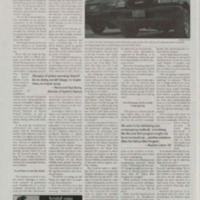
The items below contain writings on EQ's activities during the early years of the new millennium. In 2001, EQ made it into 8 editions of the Campus, of which one is included below. Between 2002 and 2006, EQ activities were only the center of 3 articles, all of which are included below. We can see in these articles EQ existing in a more crowded space, which includes and is open to the inclusion of numerous environmental organizations. In this newer climate of activism, EQ seemed to fall by the wayside more and more often, taking on a supporting rather than leading role in activism on campus.
This item contains two articles from a December 2001 issue of the Middlebury Campus. The articles show EQ paying closer attention to the issue of climate change, first by pushing for the ban of SUVs on campus and second by promoting their fleet of rental bikes. The SUV initiative arose from a collaboration between EQ and a new group, MISD, promoting sustainability on campus.
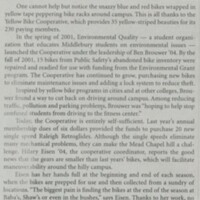
This Campus piece is a profile on the yellow bike rental program. The article pays homage to EQ's role in founding the group, but emphasizes its self sufficiency and independence. While the yellow bikes are under EQ's umbrella, their operation exists as a somewhat seperate entity.
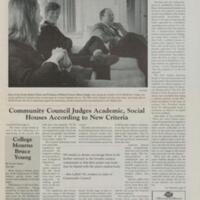
This article describes an anti war petition being promoted by a number of clubs on campus. EQ is listed as one of the endorsing groups.
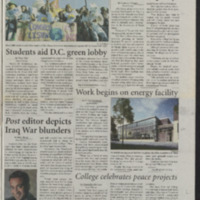
EQ recieved its final mention as a functioning club in the Campus in 2007. The club had organized a bus to Washington D.C. for the first Power Shift climate conference. From that point on the club goes silent in the newspaper archives. The club makes it into the 2009 yearbook, but other than that no piece of information remains. Still, this didn't spell the end for environmental work on campus, but rather a shift in emphasis. Another organization, SNG, is also mentioned in that 2007 issue of the Campus, commenting on the development of the biomass plant. By 2009, the date of the next Power Shift conference, SNG was running the Middlebury contingent to the conference, and is listed as the largest environmental group on campus. As climate change grew to become the focal point of environmental activism, in and outside of Middlebury, it makes sense that a climate-focused group like SNG (predecessor to today's SNEG) would end up leading environmental work at the college. While EQ may have fizzled out, the 30 years of service it gave to the college weren't for naught, and we can see its legacy in the groups that have sprung up to succeed it.
This issue of the campus contains an article about the Power Shift conference in Washington, which EQ organized a bus for. It also mentions SNG, a new group on campus, that is commenting on the Biomass Plant.
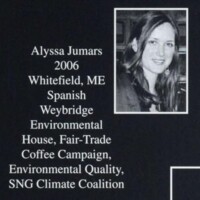
This student profile in the Middlebury yearbook shows a graduating senior, Alyssa Jumars, who participated in both EQ and SNG.
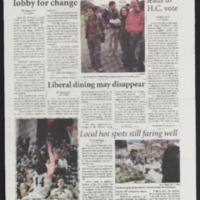
This Campus article details SNG's work at Power Shift 2, and lists it as the largest environmental group on campus.
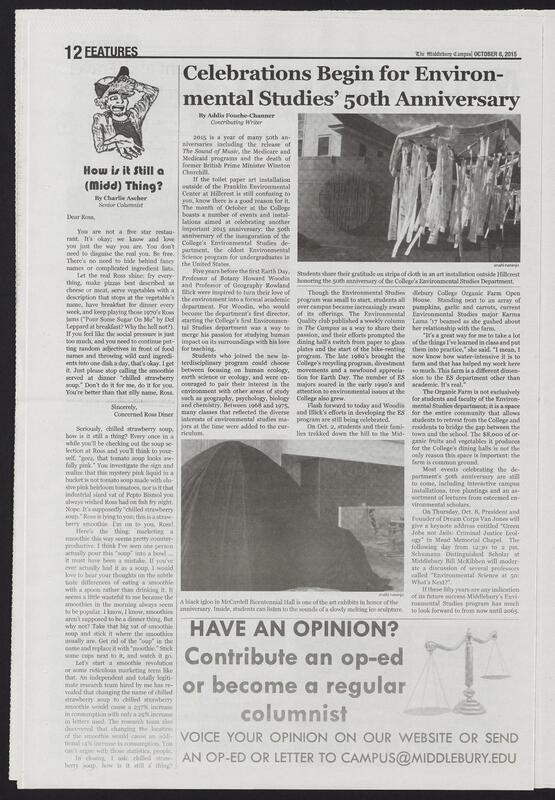
The 50 Years of Green celebrations at Middlebury, which kickstarted this project, celebrated the growth of environmental activism and thought in Middlebury. This campus article written during the festivities makes mention of EQ and the work it did to this end. Acting as a retrospective, it definitively shows that sometime between 2007 and 2015, EQ closed shop for good, but also demonstrates students' appreciation for its legacy, and recognition of its place in the story of environmental movement here in Middlebury.